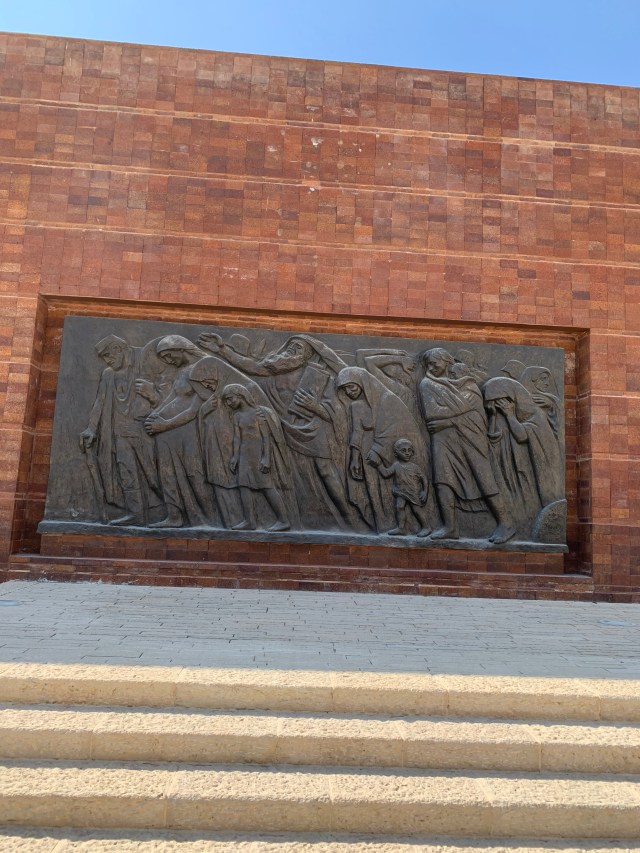
Outdoor sculpture
Outdoor sculpture
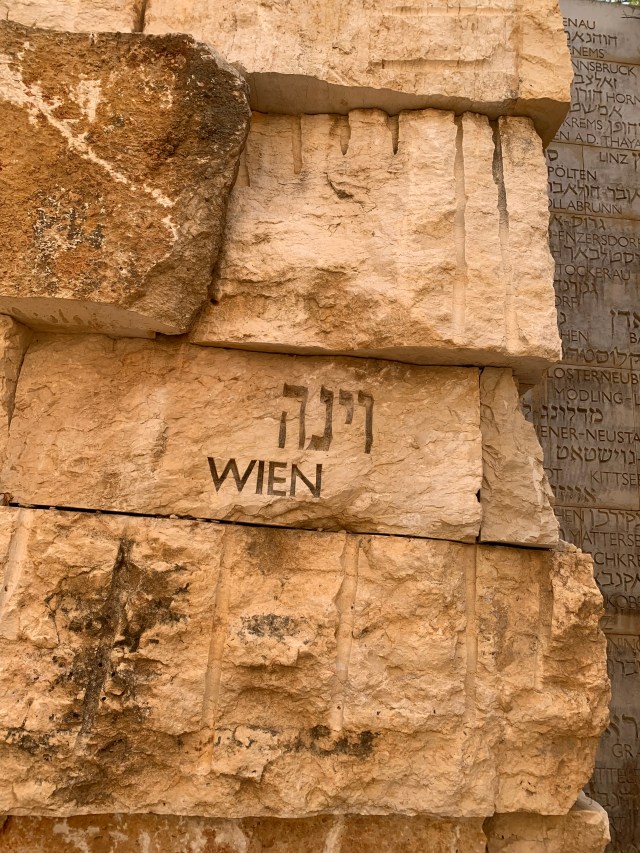
Honoring Austrian Jews
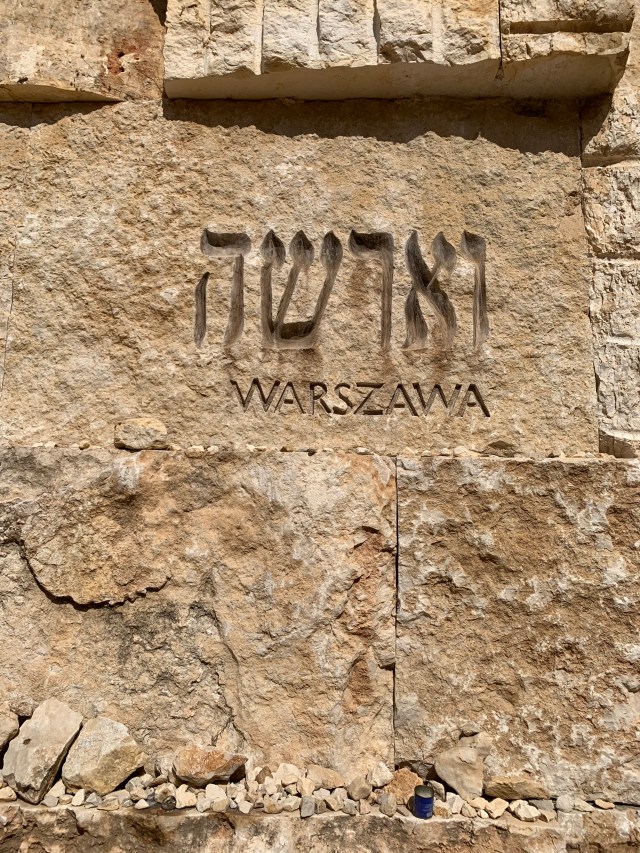
Honoring those who perished at Warsaw
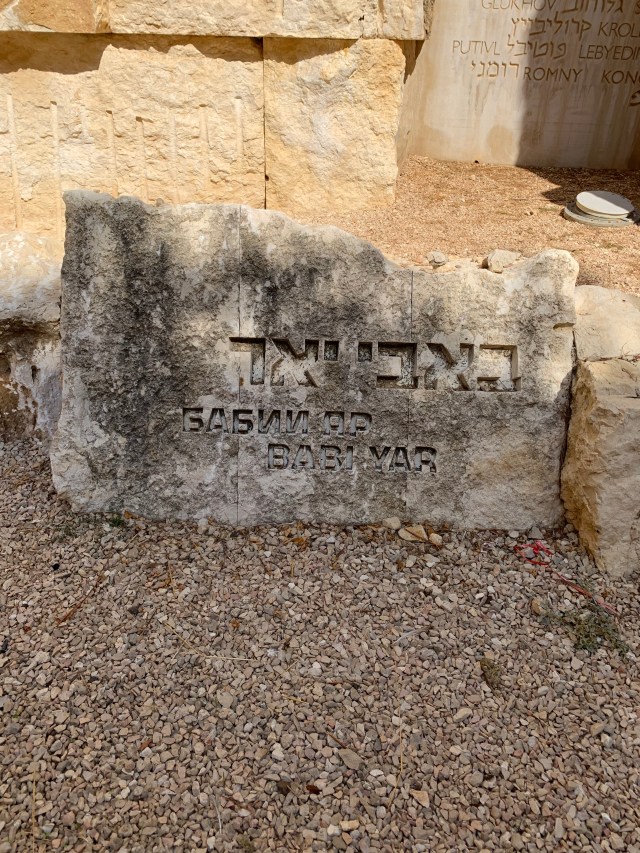
Honoring the massacre site at Bobi Yar
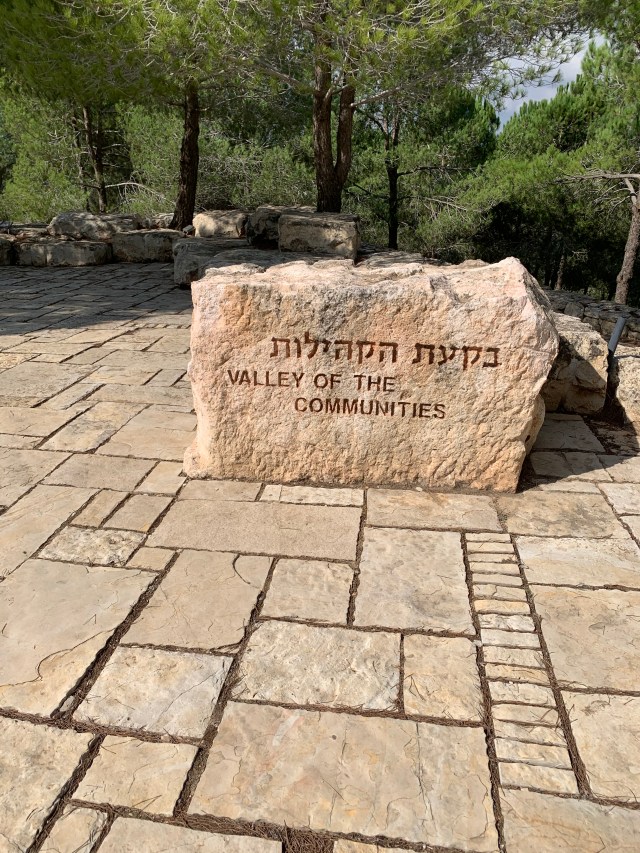
Entering Valley of the Communities
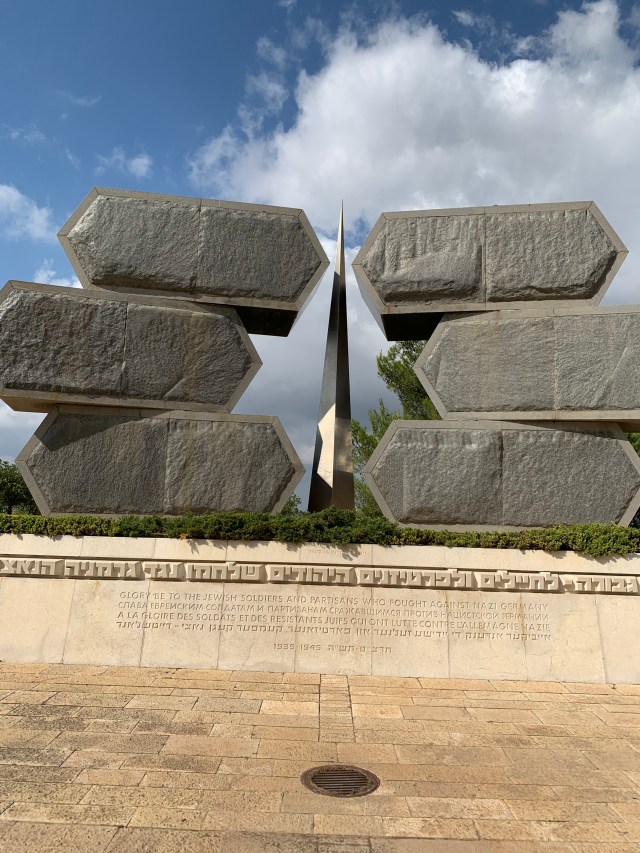
Dedicated to resistance and freedom fighters
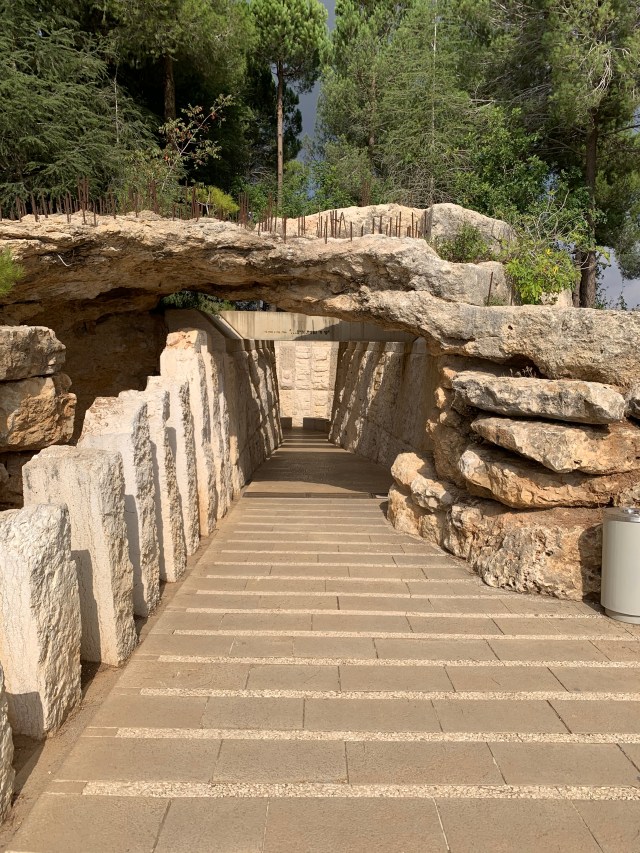
Entrance to the Children’s Memorial
Tuesday, October 29 2019
JERUSALEM, Israel – In reading about Yad Vashem in travel literature, the focus is on a quite intense museum and the many consequences of the Holocaust. What the literature does not mention is Yad Vashem is a campus with several other museums and powerful monuments.
While The Holocaust History Museum is the main focal point, a map secured at the visitors centers indicates there are 20 other destinations on campus.
On Tuesday, our intention was simply to complete the museum. Organized essentially in chronological order, I managed to get through about the half of the galleries. On my previous visit, I left off at the Warsaw Ghetto and now planned to complete the journey. Hopefully, that would leave enough time to visit other sites in Jerusalem, but knowing me and how I study and read every panel, other sites probably had no prayer.
Waynette and I entered the campus about 10:15, pulled out the site map and began walking. The campus covers 45 acres and houses several unique memorials.
First, we visited the Children’s Memorial, dedicated to the kids who perished. There is a small building, darken, and photo images of children appear. As you enter the main chamber, there are a series of projected lights and a voice identifies a particular child by name, age and country of origin. Quite powerful.
Then, we arrived at the Garden of the Righteous Among Nations, and that’s dedicated to non-Jews who risked their own lives to save Jews. Merchant Oskar Schindler, who is credited with saving over 1,200 Jews, is cited and the only non-Jew buried as Righteous Among Nations. Schindler is interned on Mount Zion, just south of the Jewish Quarter in Old City.
The Valley of the Communities identifies over 5,000 communities in which Jews originated and perished. The names of cities and towns are etched in stone and leaves an indelible impression. Visitors wander about paths cut through stone and each panel seems more important than the previous.
On the way back to the musem, we passed a cattle car used in transport to the camps. This is similar to one we saw last year during our visit to Auschwitz-Birkenau.
That took us to the entrance of the museum and, after a quick bite in the cafe, we were off to complete our visit to the facility. Because of the amount of tours and people, we were quickly separated and remained that way just before the museum closed. Since we both were looking for our “lost child,” darkness descended around 5 and prevented a visit to other Jerusalem locations.
We managed to leave around 6 p.m., drove to the mall in our neighborhood for our favorite chicken shawrma and a dessert stop at the mall bakery.
We leave Israel on Wednesday and have a 7 p. m. flight from Tel Aviv to Athens.
Before we depart, we arranged for a trip to the West Bank. Because we rented our car in Israel, we cannot drive into Palestine. Omar, our landlord, arranged for a driver to take us to Ramallah and I’m anxious to take a look at Palestine.
Because of the age-old conflict between the Jews and Palestinians, I’d like to gain as much knowledge as possible.
Realizing this is nearly an impossibility, that’s because of the time period. Talking with Omar the other night and only a few hours in Rallamah may allow some insight, but not the kind of definitive answer, if any exists, to support greater understanding. At any rate, the experience should be quite interesting.
The driver is scheduled to arrive at 8:30 and knows we need to be back no later than 1 p.m. That should give us enough time to drive to the Tel Aviv airport, drop off the car and check in with El Al airlines, our carrier for the flight to Athens. We’re expecting significant and lengthy security check points
STEPS – Traversing the grounds of Yad Vashem, we walked 8,500 steps, about four miles.
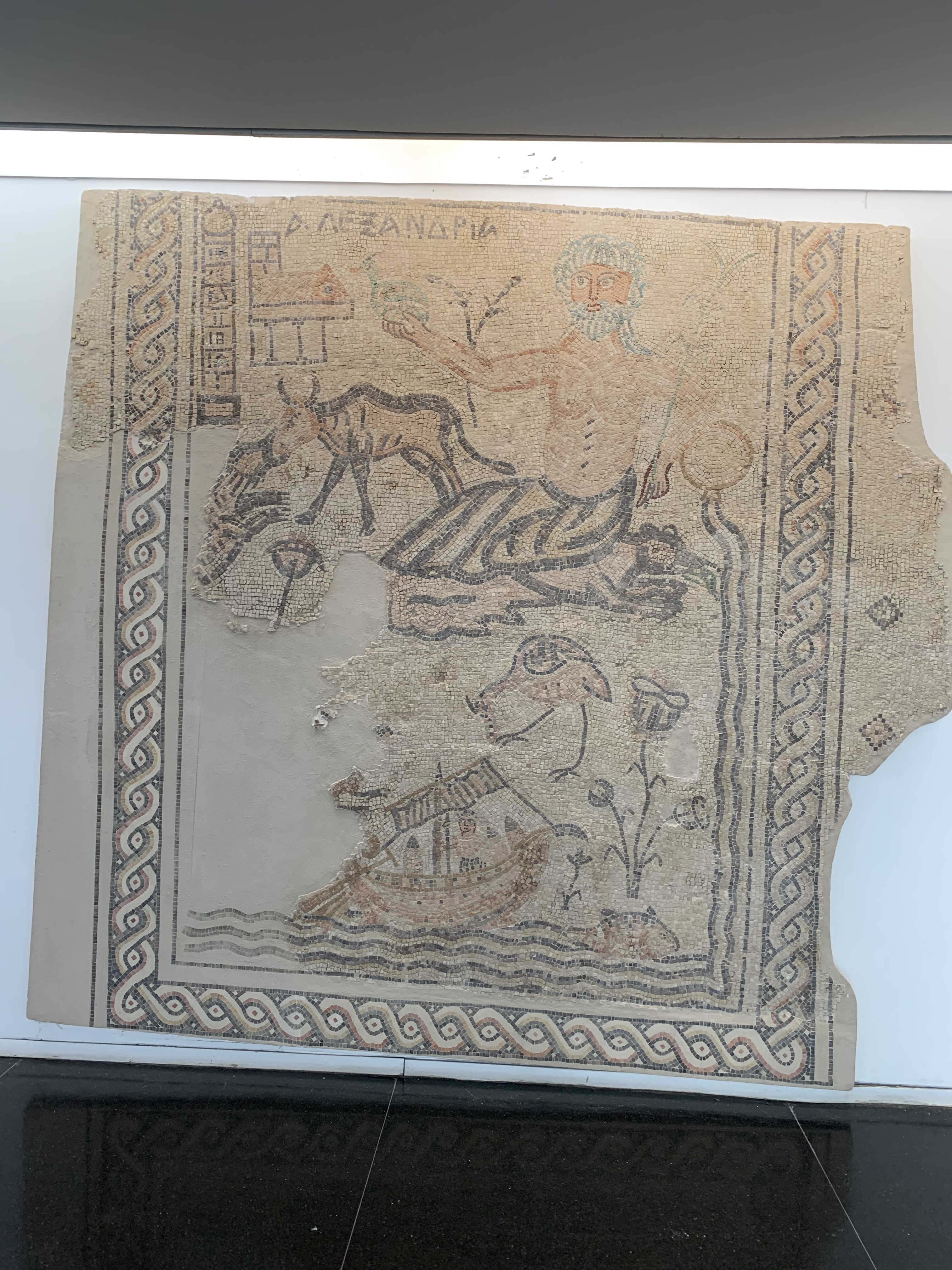
Mosaic relief in Israel Museum, dates to the sixth century BC
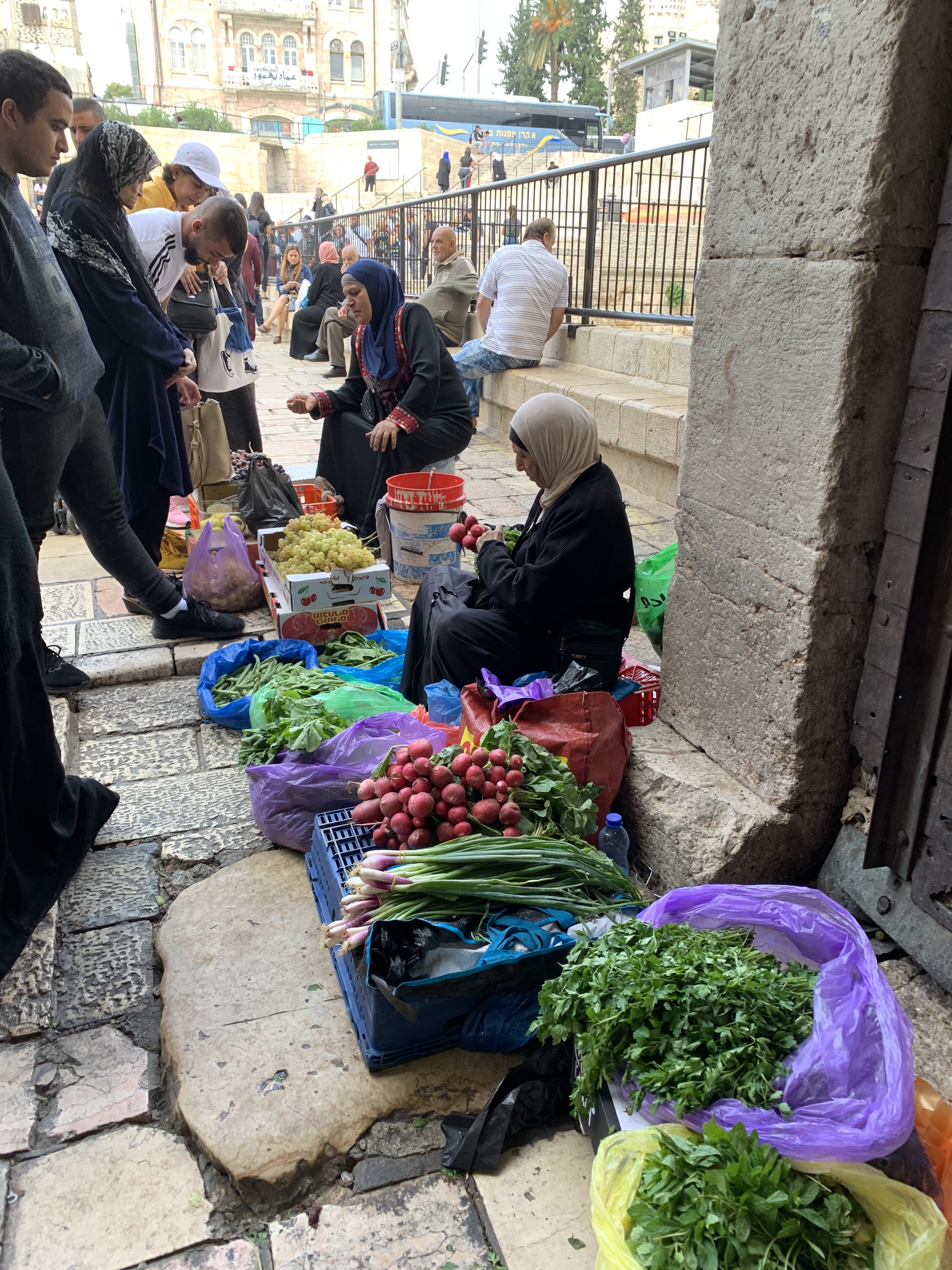
Old City Jerusalem

 markstravelblog2019