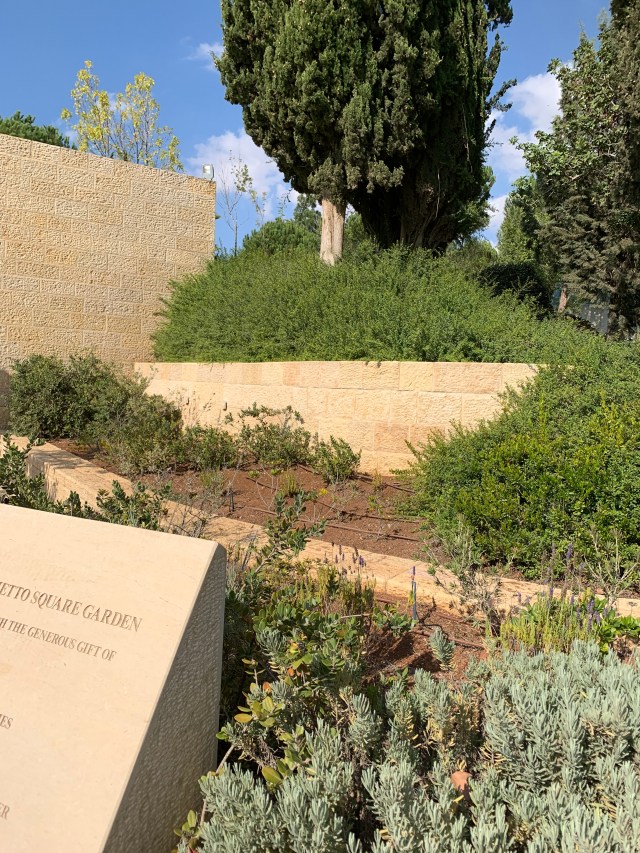
On the grounds of Yad Vashem, the Warsaw Ghetto garden
Meeting Charlotte Salomon
Thursday October 24, 2019
JERUSALEM, Israel – After weeks of pounding sidewalks, museum corridors and archaeological sites, I felt the full effect. Run down, tired, aching and a stomach which would not leave me alone, I bit the bullet on Thursday and we ventured out to Yad Vashem, the Holocaust museum in west Jerusalem.
In all honesty, I would have preferred to stay at home but since we have limited time, we want to make each minute count.
Having visited several Holocaust sites last summer in Europe and numerous visits to the U. S. Holocaust Museum in Washington, Yad Vashem is a must.
We drove, paid 28 sheqels, or about $8.00 to park and proceeded to the complex.
The campus contains several buildings all positioned within close proximity. Because we did not leave until almost 2 in the afternoon, the drive was about 20 minutes or so and avoided the rush hour. Arrival would be much later, we rationalized, if we took public transportation. The tram, the only one currently in operation, does leave passengers off at the end of the line at the Mount Herzl stop. From there, you can walk or take a shuttle bus.
Since the main museum is open until 8 at night and other parts of the campus close at 5, we saved the main history building for later. First, we entered a separate building and proceeded through a fascinating exhibit on how the Holocaust was photographed. The exhibition took into account Nazi photographers, Jewish photographers who smuggled photographs wherever they could, and films produced by the Soviet, British and American military after liberation.
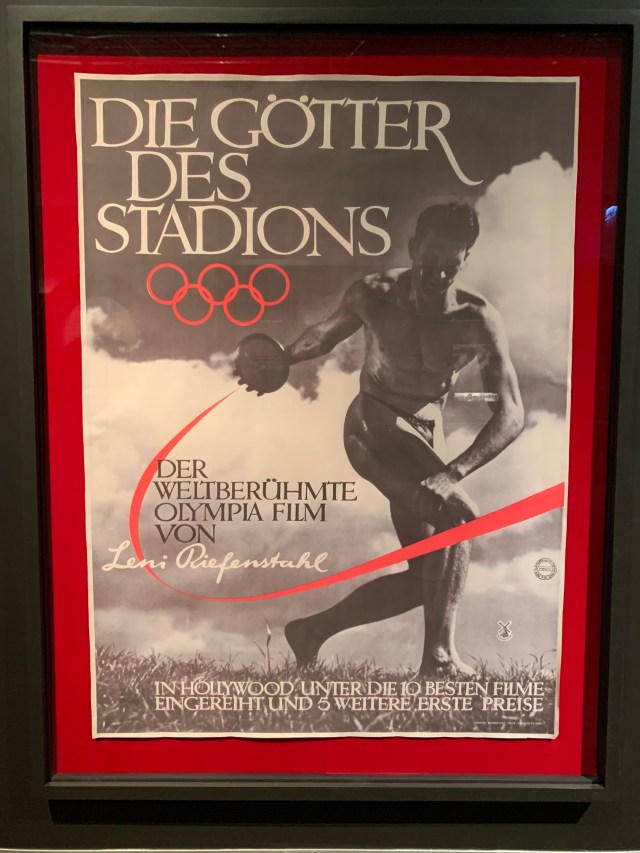
Of particular interest to me was a gallery devoted to Leni Riefenstahl, who made two important films for the Nazis. These included the 1934 Nuremberg rally and the 1936 Olympic Games held in Berlin. I’m working on a book on the 1936 Olympics, if if ever gets completed, and have given several papers and presentations on the topic.
From there, we went to an adjacent building, the Museum of Holocaust Art, which houses pieces from Jewish artists. There, we met Charlotte Salomon, who, if she lived, would have been one of the most influential women artists of the 20th century.
Born in 1917 in Berlin, she studied in Berlin and France, and , when the Nazis gained control, she was deprived of contest prizes because she was Jewish. After her father was arrested after Kristallnacht, her family made the decision to send Charlotte to the south of France. To ease the pain and emotion, she produces 1,300 pages of prose and paintings, entitled, “Life? Theatre?” that traces her own life and that of her family.
After she marries, the couple is arrested in France by the Gestapo and deported. Arriving at Auschwitz in 1943, Salomon, who is pregnant, is gassed and dies at 26-years-old.
Several of her paintings are in the Holocaust Art museum and tell a dramatic story of life and its meaning.
From the Art Museum, we went into the history building. The exhibits contain essential elements of the Holocaust and follow a chronological pattern. The building is unique in that the galleries weave together and give a sense of uneasy patterns. That would be similar of those taken the camps where their fate was destined after a series of unexpected and unanticipated turns.
The museum opens with a history of antisemitism and lays the historical foundation for the popular imagination of the Jews as a people who should be deprived of their humanity. This is how Hitler was able to capitalize on such feelings throughout Europe.
As you wind through the galleries, the images and artifacts are striking. For me, and what makes this museum unique from others we visited, is the presence of video everywhere. Each gallery seems to have three and four video screens and visitors are able to see the clear evolution of this unspeakable tragedy. Many of the videos were personal accounts told by survivors.
All aspects of the Holocaust are chronicled, including the rise of the Nazis, subjection of the Jews, the camps, the Ghettos, and liberation. The museum is massive and despite the closing time of 8 p.m., I was able to get through only half. While we have several more days in Jerusalem, I need to return and finish this extraordinary presentation.
After closing Yad Vashem, we will return and will also visit a number of other exhibitions on campus.
Because Waynette is having difficulty finding “decent” restaurants and I was not feeling all that well, we returned to the apartment. I managed a grilled cheese sandwich and Waynette made a few eggs. I was in bed by 9:45 and felt terrible. We’ll see how things are in the morning.
For Friday, we’re not certain of our plans and realize there is no public transportation after three in the afternoon.
STEPS – About 4,000 and mainly in the museum
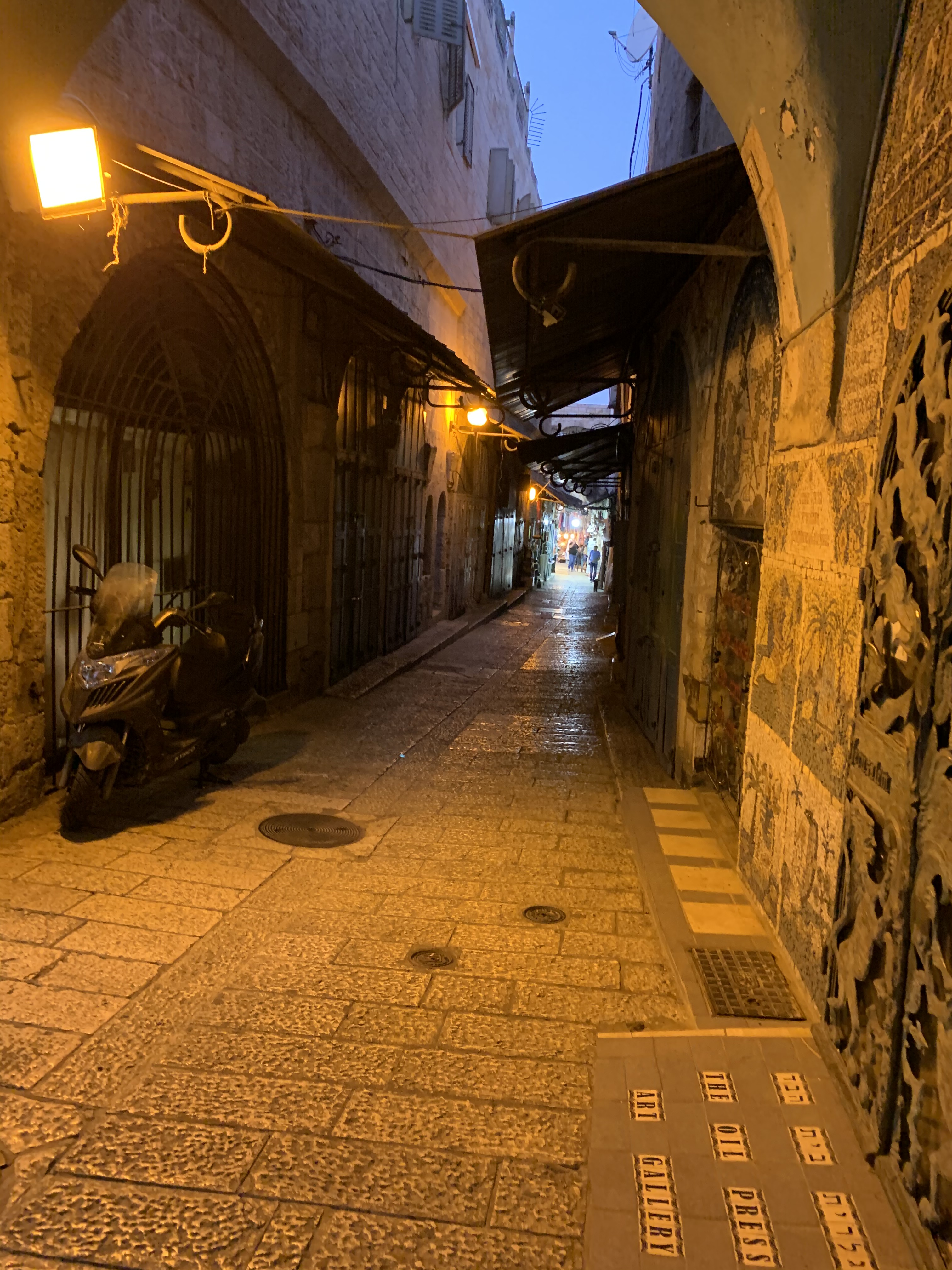
The Jewish Quarter
Overview, The Wall and Dome of the Rock in the background
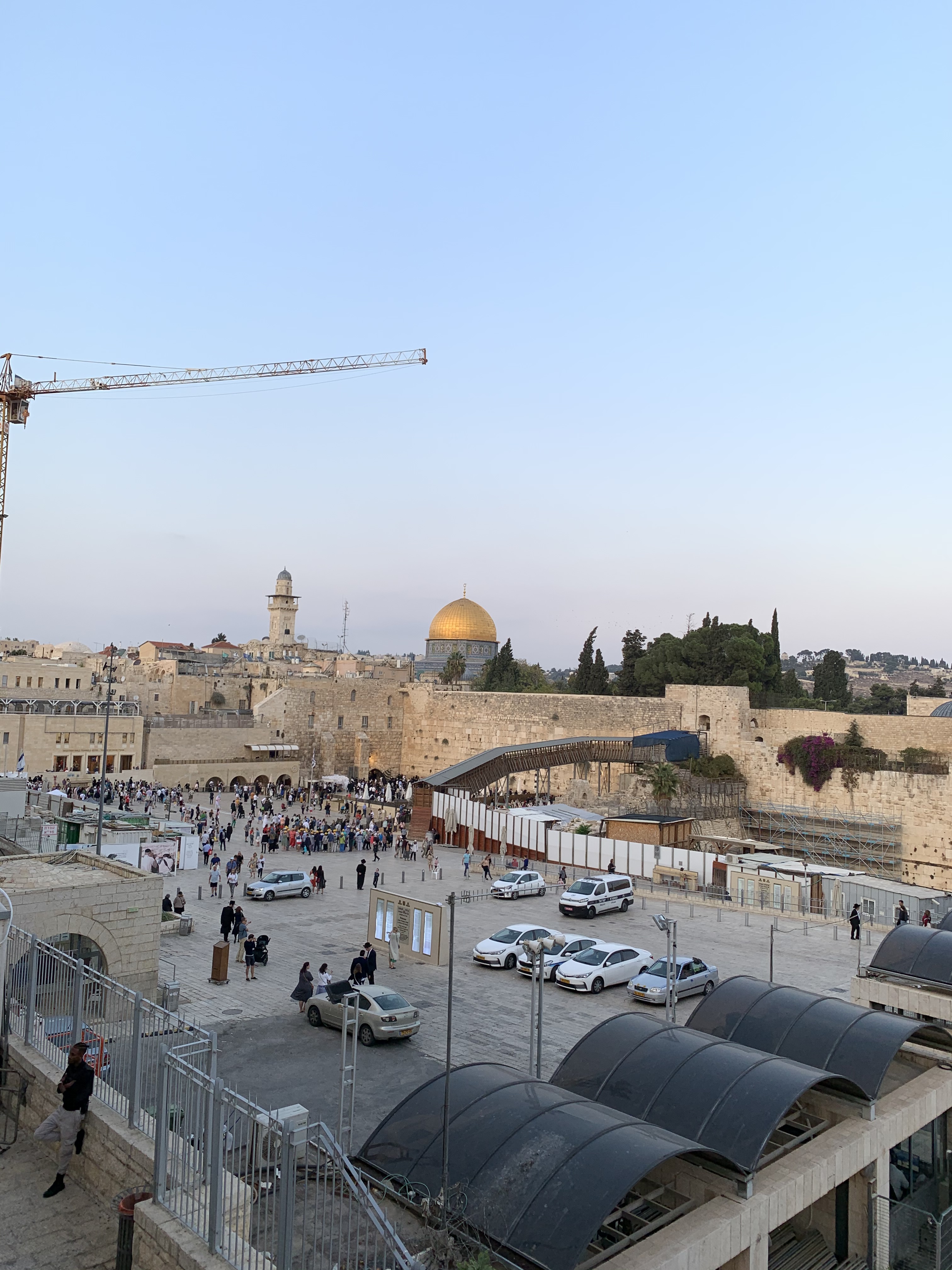
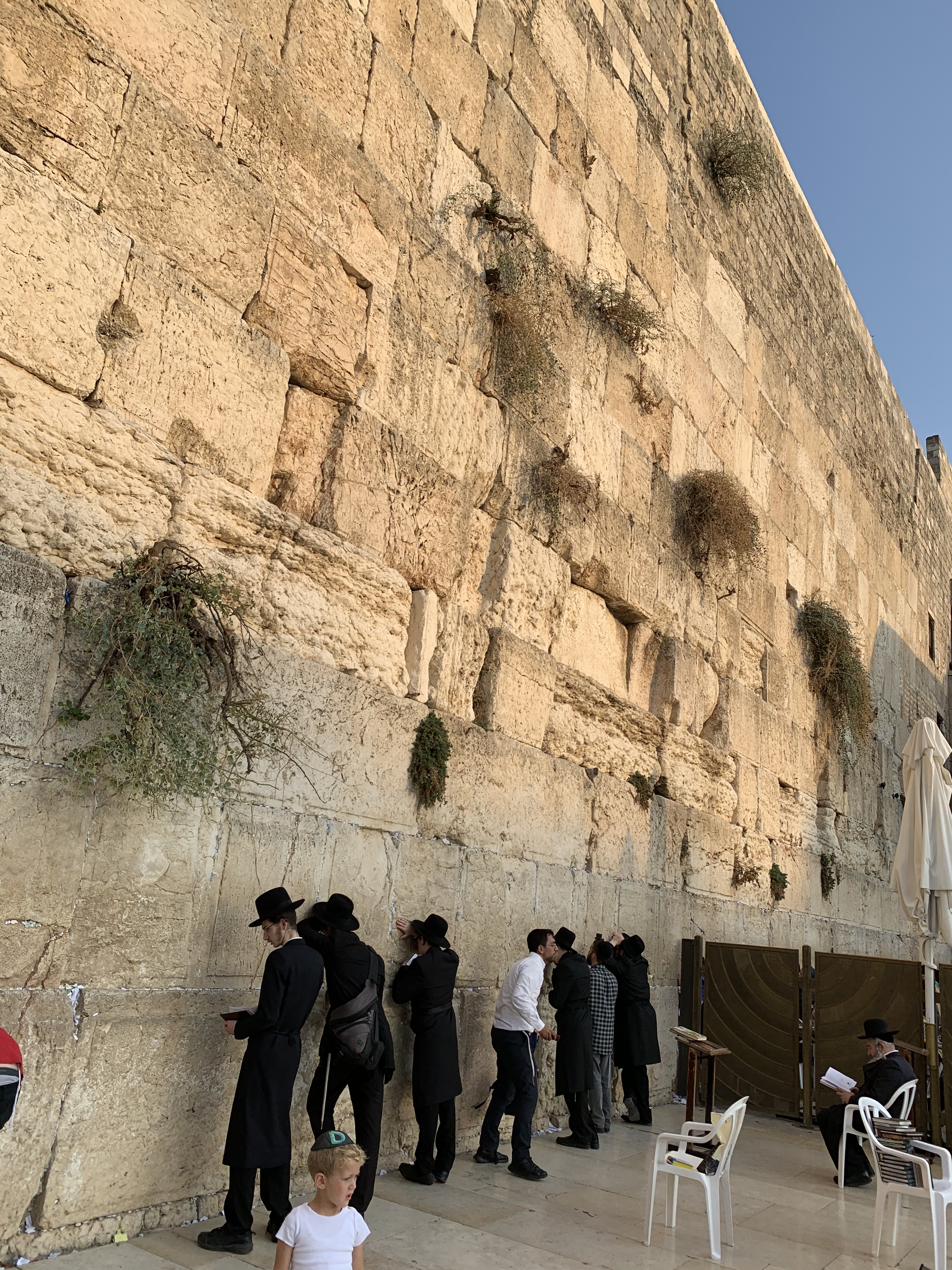
At The Wall
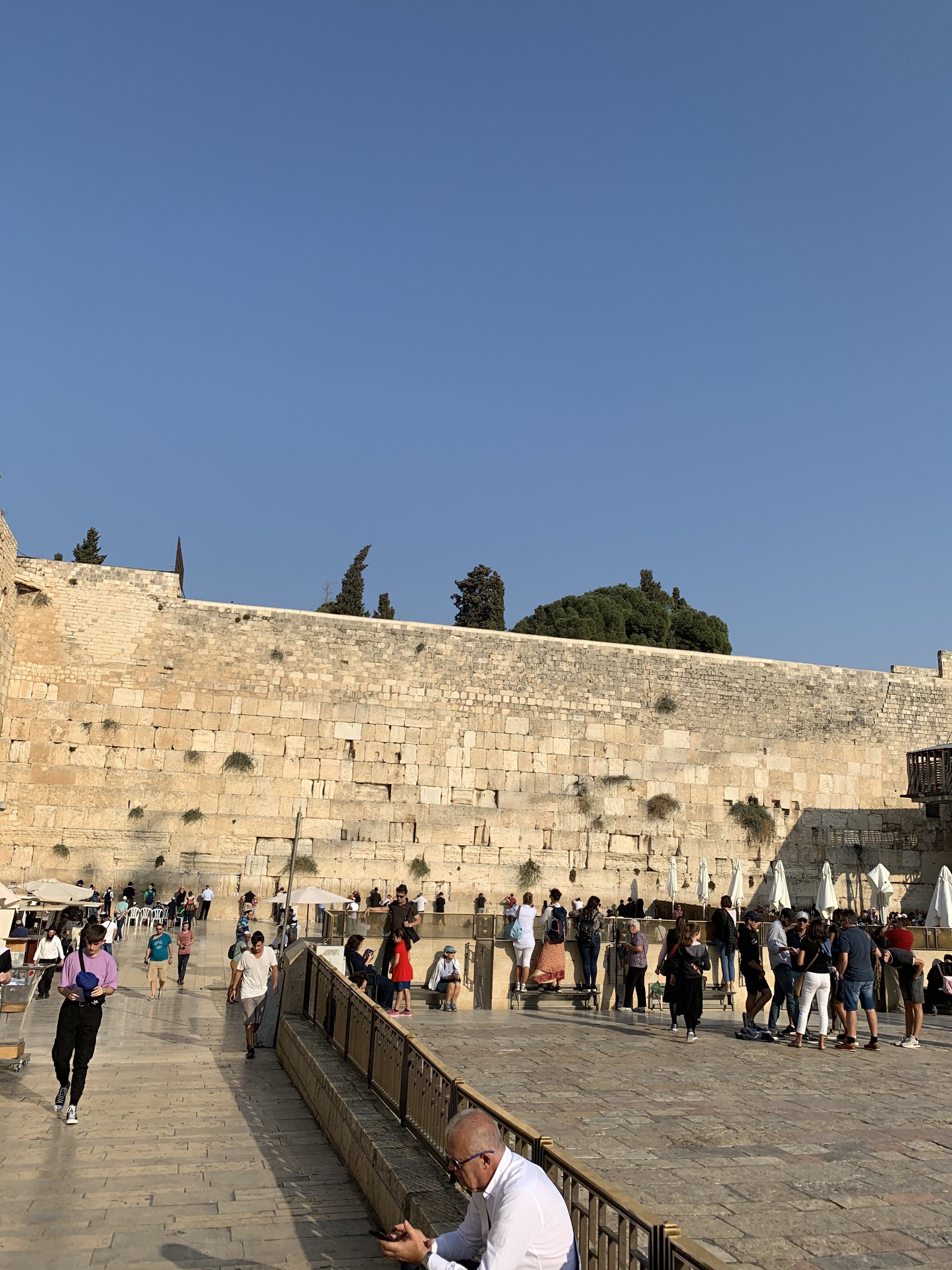
Wide view, The Western Wall
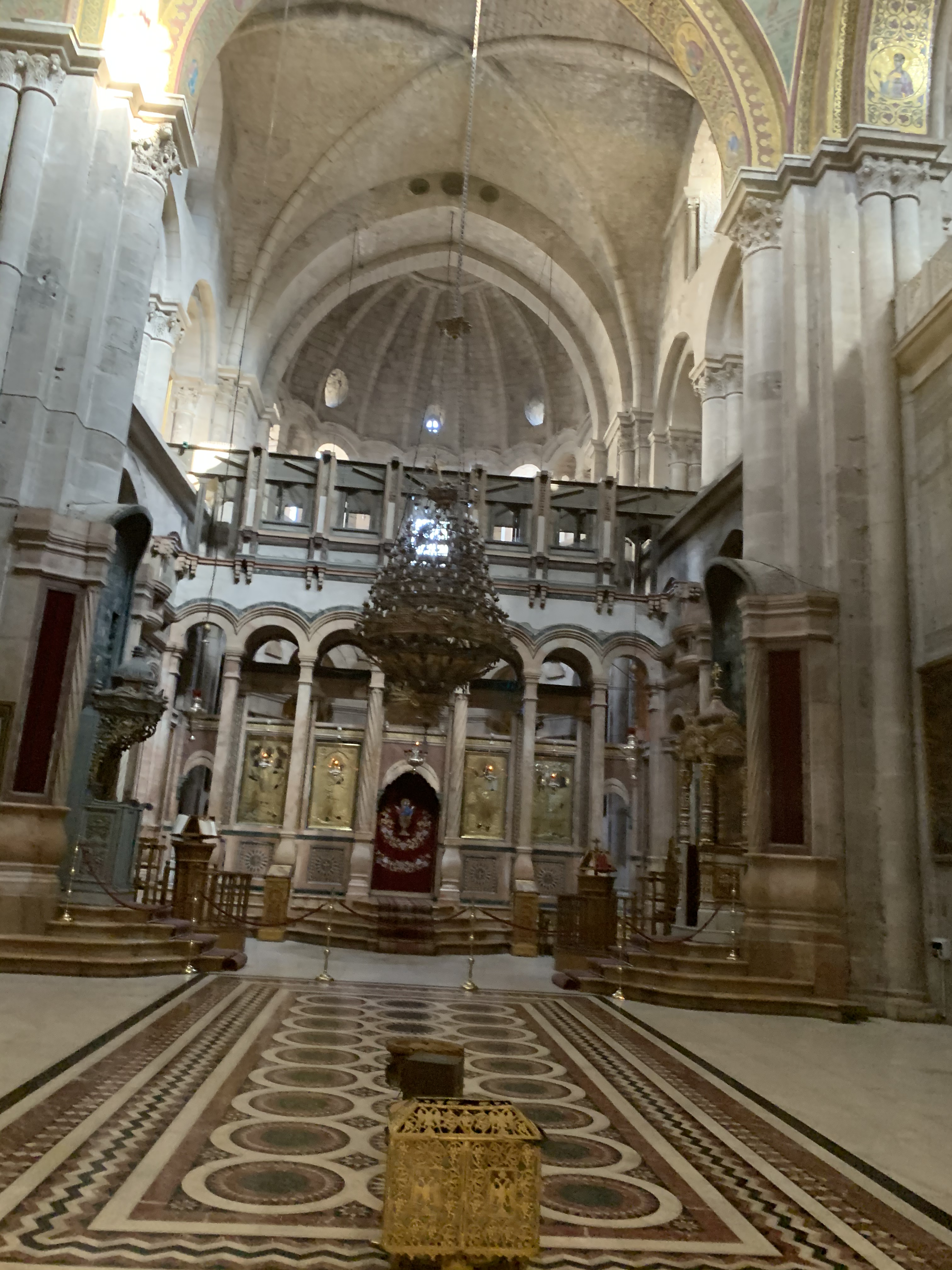
Interior, Church of the Holy Sepulchre
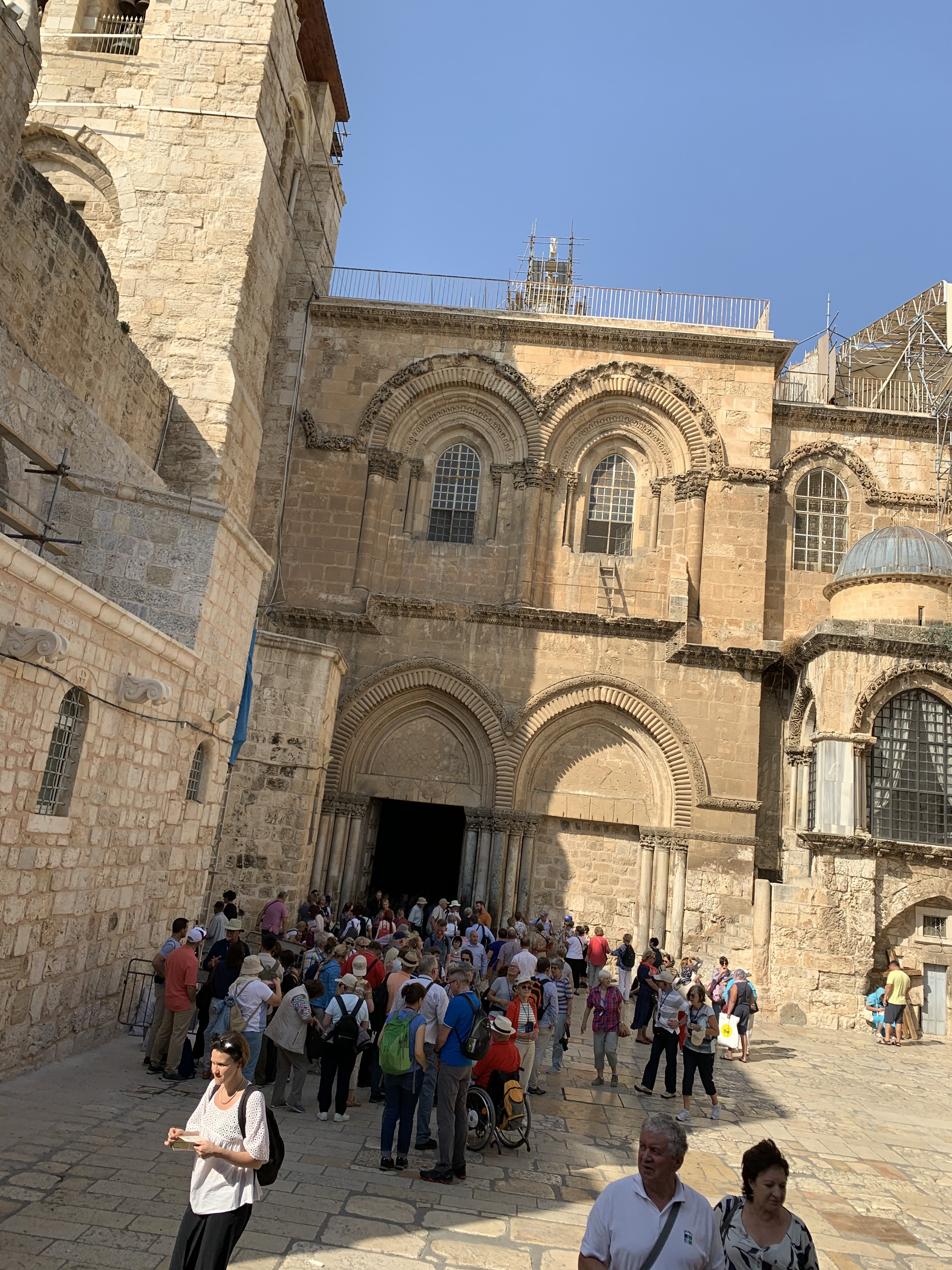
Entering Church of the Holy Sepulcher
Old City Jerusalem
 markstravelblog2019